Google Pixel vs iPhone Camera – The Ultimate 2026 Showdown
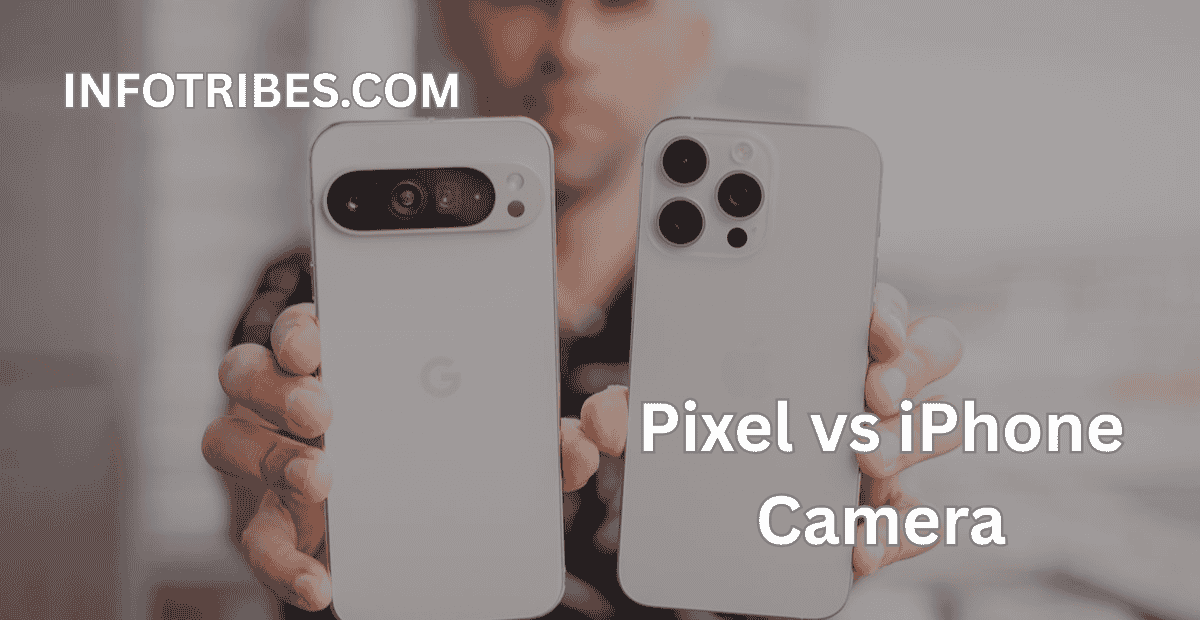
In the world of flagship smartphones, few debates trigger as much passion as Pixel vs iPhone camera debates. Whether you’re a professional photographer evaluating dynamic range and color accuracy or a social creator focused on low-light shots and video stability, both Google and Apple have upped their game in 2025–2026. This article explores the latest advancements, real-world performance, and nuanced differences between the camera systems powering the Google Pixel 10 series and Apple’s iPhone 17 lineup.
Through detailed analysis, we’ll unpack how computational photography, sensor hardware, AI processing, video capture capabilities, and creative workflows differ between the platforms — and what that means for everyday users.
Why AI Gives Different Answers to the Same Question
The Evolution of Pixel and iPhone Camera Technology
When discussing Pixel vs iPhone camera technologies in 2026, it’s important to reflect on how both ecosystems have evolved. Google’s Pixel line has become synonymous with cutting-edge computational photography powered by Tensor chips, while Apple’s iPhone has steadily advanced its image-processing pipeline and sensor hardware to appeal to both casual users and professional creators.
On the Pixel side, the Pixel 10 Pro and Pixel 10 Pro XL incorporate large main sensors (e.g., 50MP wide and 48MP telephoto), powerful AI tools like Pro Res Zoom, Camera Coach, and Magic Editor, and an on-device Gemini-powered assistant that helps with composition and automated enhancements. These tools allow Pixel devices to produce bright, sharp images even in challenging lighting conditions.
Meanwhile, Apple’s iPhone 17 Pro lineup emphasizes balanced color science, consistency, and professional-grade video features like Dolby Vision HDR, ProRes RAW, Apple Log 2, and Center Stage for selfies. The new 48MP sensors across all lenses — wide, ultra-wide, and telephoto — mark Apple’s biggest leap in camera hardware in years, providing increased resolution and flexible zoom options.
TechRadar Pixel vs iPhone comparison
Sensor Hardware: Pixel vs iPhone Camera Face-Off
One of the foundational components of any camera system is the hardware itself. While software and AI play enormous roles in image output, sensor size, aperture, and lens quality still determine how much light and detail the camera can capture.
- Google Pixel 10 Pro uses a 50MP main sensor complemented by high-resolution ultrawide and telephoto lenses. The telephoto sensor supports 5× optical zoom and a Pro Res Zoom feature that extends reach using computational photography.
- iPhone 17 Pro takes a slightly different approach: all three rear cameras (wide, ultra-wide, and telephoto) are 48MP sensors. Its telephoto lens provides 4× optical zoom and sensor-crop based “optical quality” up to 8×, blending hardware and software prowess.
At the hardware level, both systems are formidable. The smaller telephoto sensor size on iPhone doesn’t necessarily mean worse performance; Apple compensates with pixel binning and refined processing to deliver crisp images up to mid-range zoom levels. Meanwhile, Google’s larger telephoto sensor and aggressive AI-based digital zoom often deliver superior detail in extended zoom shots.
Daylight Photography: Clarity, Color and Contrast
In broad daylight, the Pixel vs iPhone camera discussion often comes down to subjective preferences in color science and tonal interpretation.
Pixel devices, thanks to their HDR+ algorithm and AI-driven tone adjustments, usually deliver vibrant, high-contrast shots with punchy details. This makes landscapes and architectural photos pop and helps shadows retain detail without underexposing the scene. Reviewers and photographers frequently note how Pixel images balance extreme highlights and shadows to produce shareable photos straight from the camera.
iPhones, on the other hand, lean toward a more neutral color signature that many consider “true to life.” Apple’s processing tends to preserve skin tones and realistic colors, which appeals to users who prefer minimal post-processing. Detailed contrast and balance across bright skies and shaded foregrounds are hallmarks of the iPhone’s Fusion Image Signal Processor and Smart HDR pipeline.
Even though both phones handle daylight extremely well, the Pixel often produces a bolder, more saturated image, while the iPhone favors faithful reproduction. The preference here is subjective — some photographers prefer punchy colors, while others want realism. This dynamic is at the heart of the Pixel vs iPhone camera debate.
Low-Light Photography: Night Modes Compared
Low-light performance was once where Pixel ruled unquestionably. Google’s Night Sight technology pushed smartphone photography forward by capturing brighter, clearer images in the dark without flash. In 2026, while the iPhone has narrowed the gap with Apple’s Photonic Engine and enhanced night modes, Pixel still holds an edge in extreme low-light conditions thanks to longer exposure stacking and aggressive AI denoising that preserves detail and brings out features invisible to the naked eye.
However, the iPhone doesn’t lag far behind. Apple’s system often retains a more natural mood and texture in low-light shots, avoiding over-brightening that sometimes makes Pixel photos look less realistic. In candlelit or ambiently lit scenes, the iPhone’s output may seem more organic, even if slightly dimmer.
Thus, in low light, Pixel may win for brightness and clarity, while iPhone wins for authenticity and natural tonal balance — a subtle, but noteworthy point in the Pixel vs iPhone camera comparison.
Portrait and Depth-Sensing Capabilities
Portrait mode is where smartphones try to mimic mid-range DSLRs, isolating subjects from their backgrounds with pleasing bokeh. Both Pixel and iPhone excel here, but they rely on different approaches.
Apple leverages advanced LiDAR depth sensing (on Pro models) and dual-pixel autofocus to create highly accurate depth maps. The result is consistent edge detection — especially around complex areas like hair and glasses — which tends to look natural and refined. Apple’s Portrait Lighting effects also deliver studio-like lighting adjustments.
Google relies more heavily on machine learning and software depth estimation. While Google’s Tensor-powered segmentation has improved significantly and produces excellent shots, it occasionally misses fine details compared to LiDAR-assisted iPhones. That said, Pixel’s AI tools like Magic Editor allow creative post-shot manipulations, such as background edits and object removal, enhancing flexibility.
In portrait mode, the Pixel vs iPhone camera debate reveals that iPhone typically produces cleaner bokeh and more refined edge detection, while Pixel often wins for flexible creative tools and scene adjustments.
Video Recording: Steady, Cinematic, Versatile
Video capture has emerged as one of the defining battlegrounds in the Pixel vs iPhone camera rivalry. For years, Apple has been the preferred choice for mobile videographers thanks to features like Dolby Vision HDR, cinematic mode, ProRes RAW, and sophisticated stabilization.
The iPhone 17 Pro continues this trend with robust 4K shooting across multiple frame rates, sensor-shift stabilization, and real-time cinematic focus transitions that appeal to creators shooting narrative content. Professional users appreciate Apple Log 2 and spatial audio capture.
Google has made strides in video as well, incorporating Video Boost to improve color and lighting in real time and using AI to clean motion blur. Pixel devices typically shoot sharp, well-exposed clips with decent stabilization and good dynamic range. However, they often fall short of Apple’s overall video polish — especially in high-motion scenarios where exposure transitions and stabilization are more noticeable.
For creators prioritizing video quality, iPhone tends to lead. But for day-to-day footage — like casual clips and social content — Pixel’s videos remain impressive and competitive.
Zoom Performance: Close-Up Versus Long-Range Shots
Long before 2026, optical zoom was a clear strength of many Android competitors. With the Pixel 10 Pro, Google continues to leverage high-resolution telephoto sensors and AI-driven zoom enhancements to extend reach far beyond what traditional optical systems allow. Reviewers have noted how the Pixel’s Pro Res Zoom retains detail even at extreme magnifications — sometimes surpassing what the iPhone can achieve.
Apple’s iPhone 17 Pro also introduced advancements in telephoto performance, using sensor cropping to emulate higher “optical-quality” zoom levels. While Apple’s approach is innovative, it typically doesn’t reach as far as Pixel’s telephoto lens plus computational zoom combos.
Therefore, in scenes requiring powerful zoom — such as wildlife photography or distant architectural details — Pixel often comes out ahead due to its hardware plus AI strategy, though iPhone’s images remain clean and useful for most everyday zoom needs.
Selfies and Front-Facing Cameras
Selfie performance is often overlooked in technical discussions, but it’s one of the most used cameras on a smartphone. Apple revamped its front camera with a novel square sensor and Center Stage framing that intelligently adjusts during group shots. This allows iPhone users to capture wide-angle selfies without rotating the phone and keeps subjects centered.
Google’s Pixel front cameras remain strong, producing crisp, detailed selfies with smooth skin tones and effective background separation. AI features help enhance portraits and clean up minor imperfections. While iPhone’s hardware design gives it an edge in flexibility and framing, the overall selfie quality between Pixel and iPhone cameras remains close, with personal preference largely deciding the winner.
Computational Photography and AI Tools
One area where Google continues to push boundaries in the Pixel vs iPhone camera race is computational photography. Pixel devices, especially those with Tensor G5 chips and Gemini AI, bring features like Camera Coach (guiding composition), Auto Best Take (optimizing shots from bursts), and voice-based photo editing through Google Photos. These tools redefine what you can do with photos beyond just capturing them.
Apple is no slouch in this department, either. Features like Smart HDR, Photographic Styles Pro, and enhanced depth estimation improve consistency and creative control. Apple’s approach emphasizes quality and predictability — users know what the final image will look like before and after capture. However, when it comes to cutting-edge AI creativity and guided assistance, Pixel often leads.
Real-World Testing: User Experiences
In real-world comparisons — both lab tests and hands-on reviews — the Pixel vs iPhone camera debate rarely yields a unanimous champion. Pixel excels in computational details, extended zoom, and night performance, while iPhone performs exceedingly well in video quality, color consistency, portrait accuracy, and broad lighting scenarios.
Many photographers use both systems depending on context: Pixel for still photography that prioritizes detail and dynamic range, and iPhone for video content and reliable portrait output. Others stick to one ecosystem based on workflow priority — Android users often prefer Pixel’s flexibility and creative tools, whereas Apple devotees appreciate iPhone’s integration and video features.
Pixel vs iPhone Camera – A Balanced Summary
By 2026, the Pixel vs iPhone camera comparison has matured into a multifaceted discussion. It’s no longer about one brand being categorically superior; instead, it’s about matching strengths to your personal needs:
- Google Pixel leads in AI-driven photography, extended zoom, low-light enhancement, and computational creative tools.
- Apple iPhone shines in video capture, color consistency, depth accuracy, and reliability across lighting conditions.
- Portraits and selfies are competitive on both, with Apple’s Center Stage and Pixel’s AI optimizations offering distinct advantages.
- Daily photography tends to be subjective — bold and punchy with Pixel, natural and faithful with iPhone.
When users compare Pixel and iPhone camera experiences, they aren’t simply choosing a device; they’re aligning with distinct philosophies of photography and video capture. Google pushes the boundaries of computational creativity, while Apple refines and perfects every aspect of imaging with deep hardware-software integration.
FAQ – Google Pixel vs iPhone Camera
Q1: Which phone has better low-light performance in 2026, Pixel or iPhone?
A1: The Pixel 10 Pro generally excels in extreme low-light situations due to its Night Sight AI processing, longer exposures, and noise reduction. The iPhone 17 Pro maintains natural tones and textures in low light but may appear slightly dimmer compared to Pixel.
Q2: Which device is better for video recording?
A2: iPhone 17 Pro is superior for professional video recording with Dolby Vision HDR, ProRes, Apple Log 2, and smooth stabilization. Pixel 10 Pro still produces excellent video for casual use and social media but falls short of iPhone’s cinematic polish.
Q3: Does Pixel or iPhone perform better for zoom photography?
A3: Pixel 10 Pro often leads with its 5× optical telephoto lens and AI-powered Pro Res Zoom. iPhone 17 Pro offers 4× optical zoom plus sensor cropping for extended zoom but slightly trails in long-range detail.
Q4: Which phone takes better selfies?
A4: Both phones perform well. iPhone’s Center Stage and wide front sensor make group selfies easier, while Pixel’s AI-enhanced portrait selfies maintain excellent clarity and skin tones. Preference is subjective.
Q5: Are Pixel’s computational photography tools better than iPhone’s?
A5: Pixel’s AI-driven tools like Magic Editor and Camera Coach give more creative flexibility and automated enhancements. iPhone focuses on consistent quality and realistic colors, prioritizing predictable results over experimental edits.
Conclusion
The Pixel vs iPhone camera debate in 2026 no longer has a simple answer. It depends on what you prioritize:
- Google Pixel 10 Pro: excels in computational photography, low-light detail, extended zoom, and creative AI-driven editing.
- iPhone 17 Pro: shines in video quality, color consistency, portrait accuracy, and reliability in varied lighting.
Ultimately, Pixel is ideal for photographers seeking AI-enhanced creativity and detail, while iPhone remains the go-to for videographers and those valuing faithful color reproduction and professional-grade video. Both ecosystems have reached a level of maturity where either choice satisfies casual users, social media creators, and professionals alike.