The Death of Smartphones: What Will Replace Them Next?
For more than fifteen years, smartphones have been the dominant personal technology device, shaping how humans communicate, work, navigate, shop, and socialize. From the moment the first touchscreen smartphones entered the mainstream, they redefined digital life. Yet today, signs are emerging that the smartphone era may be approaching a slow decline. Innovation has plateaued, form factors remain largely unchanged, and consumer excitement has shifted elsewhere. This has led technologists and futurists to ask a once-unthinkable question: are smartphones dying, and if so, what will replace them?
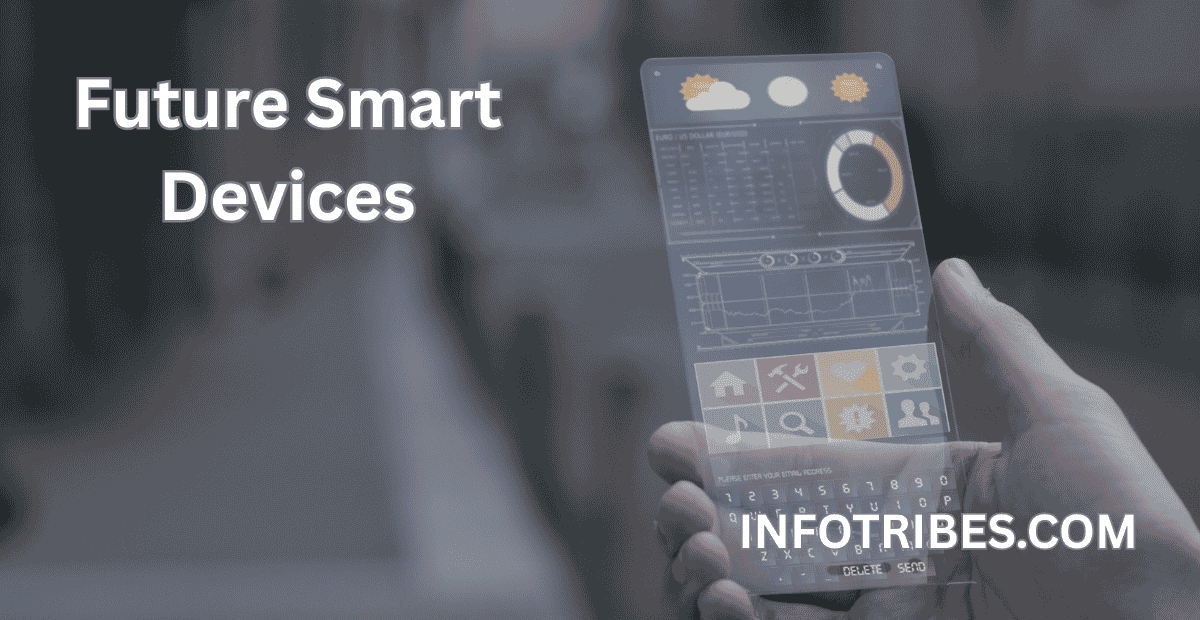
The answer does not point to a single device but rather an ecosystem of Future Smart Devices that distribute functionality across wearables, ambient computing systems, and immersive interfaces. Understanding this shift requires examining why smartphones are losing relevance and what technologies are poised to take their place.
Hawk-Eye Technology: Is Cricket Still Fair?
Why Smartphones Have Reached a Saturation Point
Smartphones are not disappearing overnight, but their growth curve has flattened. Annual device upgrades no longer feel revolutionary. New releases offer marginal improvements in camera quality, processing power, or battery life, but rarely introduce transformative features.
This stagnation is partly due to physical limitations. A rectangular touchscreen can only evolve so much before innovation becomes incremental. Additionally, most users already own powerful devices capable of handling daily needs, reducing the incentive to upgrade frequently.
As a result, attention has shifted from improving smartphones to imagining Future Smart Devices that move beyond screens, taps, and swipes entirely.
Changing User Behavior and Digital Fatigue
Another factor driving the decline of smartphones is user fatigue. Constant notifications, endless scrolling, and screen addiction have triggered growing concerns about mental health, productivity, and attention span.
Many users are actively seeking ways to reduce screen time rather than increase it. This shift in behavior is pushing technology companies to design devices that are more contextual, less intrusive, and seamlessly integrated into daily life. Instead of pulling users into apps, Future Smart Devices aim to deliver information only when needed, often without a screen at all.
The Rise of Wearable-Centric Computing
Wearables represent one of the most immediate successors to smartphones. Smartwatches, fitness trackers, and health-monitoring devices are rapidly evolving from accessory gadgets into primary computing tools.
Modern smartwatches already handle messaging, calls, payments, navigation, and health tracking. As processing power improves and AI becomes more efficient, these devices are expected to take on even more responsibilities traditionally reserved for smartphones.
In the context of Future Smart Devices, wearables serve as always-on companions that collect data, understand user context, and deliver personalized insights without requiring constant interaction.
Smart Glasses and the Return of Head-Mounted Displays
Smart glasses are emerging as a strong candidate to replace smartphones for many daily tasks. Unlike early attempts that failed due to social and technical limitations, today’s smart glasses benefit from advances in miniaturization, AI vision processing, and augmented reality.
These devices overlay digital information onto the physical world, enabling users to receive directions, messages, translations, and contextual data without pulling out a phone. Navigation arrows can appear on sidewalks, notifications can float discreetly in peripheral vision, and voice commands can control interactions.
As Future Smart Devices, smart glasses represent a shift from screen-based engagement to spatial computing, where digital content blends seamlessly with reality.
Ambient Computing and Invisible Interfaces
One of the most radical ideas replacing smartphones is ambient computing. In this model, technology fades into the background, responding intelligently to user needs without explicit commands.
Smart homes, connected vehicles, and intelligent workplaces are early examples. Lights adjust automatically, virtual assistants anticipate requests, and systems communicate with each other behind the scenes.
In an ambient ecosystem of Future Smart Devices, the smartphone becomes unnecessary because intelligence is distributed across the environment. Instead of opening apps, users interact with systems through voice, gesture, or even presence.
AI Assistants as the New Interface Layer
Artificial intelligence is central to the post-smartphone future. AI assistants are evolving from simple voice responders into proactive digital companions capable of managing schedules, filtering information, and making decisions on behalf of users.
Rather than tapping through apps, users will increasingly rely on conversational interfaces that understand intent and context. These AI-driven systems will run across multiple Future Smart Devices, coordinating actions between wearables, vehicles, home systems, and work tools.
As AI becomes more capable, the need for a centralized handheld device diminishes.
Brain-Computer Interfaces and Neural Input
Though still in early stages, brain-computer interfaces (BCIs) represent one of the most disruptive alternatives to smartphones. These systems allow users to interact with digital devices using neural signals rather than physical input.
Initial applications focus on medical and accessibility use cases, but research suggests future consumer-grade BCIs could enable text input, device control, and immersive experiences without screens or keyboards.
If realized at scale, BCIs would redefine Future Smart Devices entirely, shifting interaction from physical interfaces to cognitive ones.
Modular and Distributed Device Ecosystems
Instead of a single all-in-one smartphone, the future may involve multiple specialized devices working together. One device handles health monitoring, another manages communication, while another provides immersive visuals.
This modular approach allows users to upgrade specific components without replacing an entire system. It also reduces dependency on a single device, improving resilience and personalization.
In this ecosystem, Future Smart Devices operate as a coordinated network rather than isolated products.
Extended Reality (XR) as a Smartphone Replacement
Extended reality, encompassing augmented reality (AR), virtual reality (VR), and mixed reality (MR), is increasingly positioned as a successor to smartphones. XR devices can create immersive workspaces, virtual meetings, and interactive environments that outperform flat screens.
Instead of scrolling through feeds, users might walk through virtual dashboards, manipulate 3D data, or collaborate in shared digital spaces. As hardware becomes lighter and more affordable, XR-based Future Smart Devices could replace smartphones for communication, entertainment, and productivity.
Health-Centric Devices Driving the Transition
Health monitoring is becoming a primary function of modern technology. Wearables now track heart rate, sleep patterns, oxygen levels, and physical activity with increasing accuracy.
Future devices are expected to monitor stress, mental health indicators, and early signs of illness. These health-centric Future Smart Devices prioritize passive data collection and proactive alerts, reducing the need for constant user interaction.
Smartphones, by contrast, are poorly suited for continuous health monitoring due to size, placement, and battery constraints.
Privacy and Data Ownership as Design Drivers
Concerns about privacy and data misuse are influencing the design of next-generation devices. Users are becoming more aware of how smartphones centralize sensitive personal data.
Future systems may distribute data across multiple devices, reducing the risk of a single point of failure. Edge computing and on-device AI processing will minimize data transmission to external servers.
In this sense, Future Smart Devices aim to be more secure, private, and user-controlled than smartphones.
The Decline of App-Centric Design
Smartphones are built around apps, but this model is increasingly inefficient. Users juggle dozens of apps, many of which duplicate functionality or compete for attention.
The next generation of Future Smart Devices focuses on task-centric rather than app-centric design. Users express goals, and the system determines which services or actions are required to fulfill them.
This shift simplifies interaction and reduces cognitive overload.
Economic and Environmental Pressures
The smartphone industry faces rising costs, supply chain challenges, and environmental scrutiny. Frequent device upgrades contribute to electronic waste and resource depletion.
Smaller, specialized devices may be more sustainable, both economically and environmentally. Modular Future Smart Devices allow longer lifespans and targeted upgrades, reducing waste.
These pressures accelerate the transition away from traditional smartphones.
Cultural Shifts and Generational Preferences
Younger generations are already redefining how they interact with technology. Short-form content, voice messages, and wearable-first experiences are becoming more popular than traditional smartphone use.
As digital natives prioritize convenience and immediacy, Future Smart Devices that integrate seamlessly into daily life are more appealing than handheld screens.
This cultural shift will play a significant role in determining what replaces smartphones.
Challenges Slowing Smartphone Replacement
Despite these trends, replacing smartphones entirely is not easy. Smartphones offer unmatched versatility, portability, and familiarity. Any successor must match or exceed these qualities.
Technical challenges such as battery life, user acceptance, accessibility, and cost remain significant barriers. Additionally, the global infrastructure built around smartphones cannot be replaced overnight.
As a result, the transition to Future Smart Devices will likely be gradual rather than abrupt.
A Gradual Decline, Not a Sudden Death
Rather than disappearing suddenly, smartphones are more likely to fade into the background as their functions are absorbed by other devices. They may become fallback tools or secondary interfaces rather than primary computing hubs.
Over time, as Future Smart Devices mature and integrate more deeply into daily life, smartphones may lose their central role, much like desktops did after the rise of mobile computing.
The Post-Smartphone Digital Landscape
The future points toward a world where technology is less visible but more intelligent. Instead of staring at screens, users will interact with systems that understand context, anticipate needs, and operate across environments.
In this landscape, Future Smart Devices are not defined by form factor but by capability, adaptability, and integration. Smartphones, once revolutionary, may soon feel like relics of a screen-obsessed era.
FAQ: Future Smart Devices
1. Are smartphones really going to disappear?
Smartphones are unlikely to vanish suddenly, but their central role is gradually declining. Many of their core functions are being distributed across wearables, smart environments, and other future smart devices.
2. What are Future Smart Devices?
Future Smart Devices refer to next-generation technologies such as smart glasses, wearables, AI assistants, ambient computing systems, and extended reality devices that aim to reduce screen dependency.
3. What will replace smartphones first?
Wearables and AI-powered assistants are expected to replace smartphones for communication, health monitoring, and quick interactions, while smart glasses may take over navigation and contextual information.
4. Will smart glasses replace smartphones completely?
Smart glasses may replace smartphones for many daily tasks, but full replacement depends on improvements in battery life, comfort, privacy, and social acceptance.
5. How will AI shape the future after smartphones?
AI will serve as the primary interface, enabling voice, gesture, and context-aware interactions across multiple future smart devices without requiring constant manual input.
6. Are Future Smart Devices more private than smartphones?
Many future smart devices are being designed with edge computing and on-device AI, which can reduce data sharing and improve privacy compared to centralized smartphone systems.
Conclusion
The era of smartphones is not ending abruptly, but its dominance is clearly waning. As technology shifts toward wearables, ambient computing, and AI-driven interfaces, Future Smart Devices are redefining how humans interact with the digital world. These devices prioritize context, intelligence, and minimal intrusion over constant screen engagement. Rather than replacing smartphones overnight, future smart devices will gradually absorb their functions, leading to a more distributed, seamless, and human-centric digital ecosystem.