
Why Small Businesses Are the New Hacker Target
For years, cybercriminals focused their attention on large enterprises, global brands, and government institutions. These organizations held vast amounts of sensitive data and financial resources, making them high-value targets. However, the cyber threat landscape has shifted dramatically. Today, small businesses have become one of the most targeted groups by hackers worldwide. This change is not accidental; it is driven by evolving attack strategies, economic motivations, and technological dependencies that small companies increasingly rely on.
Small businesses now operate online more than ever before, using cloud services, digital payments, remote work tools, and customer databases. While this digital growth creates efficiency and scalability, it also introduces vulnerabilities. Hackers have recognized that attacking smaller organizations often requires less effort while delivering significant rewards. As a result, Small Business Hacking has become a dominant trend in modern cybersecurity threats.
AI Honeypersons: Fake Digital Identities Used to Trap Hackers
The Growing Digital Footprint of Small Businesses
The digital transformation of small businesses has accelerated rapidly over the past few years. Online stores, booking platforms, mobile apps, and digital marketing tools are no longer optional; they are essential for survival. Even local shops now manage payments, inventory, and customer communication through internet-connected systems.
This expansion increases the number of entry points attackers can exploit. Every website plugin, cloud login, payment gateway, and employee email account becomes a potential vulnerability. Unlike large corporations, small businesses often lack dedicated IT teams to monitor and secure these systems continuously. This gap makes them appealing targets for attackers looking for quick wins.
In the context of Small Business Hacking, the issue is not just having technology, but managing it securely. Outdated software, weak passwords, and misconfigured cloud services create opportunities for cybercriminals to infiltrate systems unnoticed.
Small Business Cybersecurity Guide
Why Hackers Prefer Small Businesses Over Enterprises
One of the biggest misconceptions among small business owners is that hackers are only interested in big companies. In reality, cybercriminals often prefer smaller targets because they present fewer obstacles. Large enterprises invest heavily in cybersecurity infrastructure, employee training, and threat detection systems. Breaking into these networks requires time, expertise, and resources.
Small businesses, on the other hand, frequently operate with limited security budgets. Many rely on basic antivirus software and assume their service providers handle most of the security. Hackers know this and tailor their attacks accordingly. Automated tools can scan thousands of small business websites and networks in minutes, identifying weak points and exploiting them at scale.
This shift has turned Small Business Hacking into a volume-based strategy. Instead of targeting one heavily protected company, attackers compromise hundreds of smaller ones, extracting data, money, or access credentials with minimal resistance.
The Financial Motivation Behind Small Business Hacking
Money remains the primary motivation behind most cyberattacks. Small businesses may not have millions in revenue, but collectively, they represent a massive financial opportunity. Hackers exploit small companies in several profitable ways, including ransomware attacks, payment fraud, and data resale.
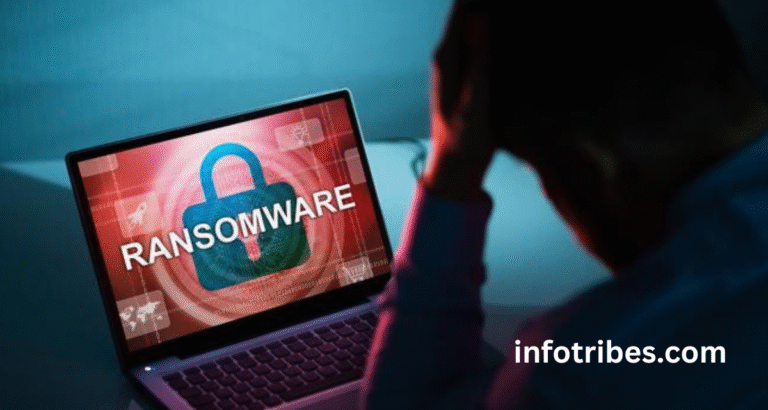
Ransomware is particularly effective against small businesses. When critical systems are locked, operations often come to a complete halt. Without proper backups or incident response plans, many small companies feel forced to pay the ransom to regain access. Hackers are well aware of this pressure and price their demands accordingly.
Additionally, customer data stolen through Small Business Hacking can be sold on underground markets. Even a small customer database containing emails, phone numbers, or payment details has value. Over time, these small breaches add up to substantial profits for cybercriminal groups.
Lack of Cybersecurity Awareness and Training
Human error remains one of the leading causes of successful cyberattacks. Employees who are unaware of modern threats can unknowingly open the door to hackers. Phishing emails, malicious attachments, and fake login pages continue to be highly effective, especially in small organizations with limited security training.
Many small businesses assume cybersecurity training is expensive or unnecessary. In reality, this lack of awareness significantly increases risk. A single employee clicking a malicious link can compromise an entire network. Hackers exploit this weakness by crafting convincing messages that appear to come from trusted sources such as banks, suppliers, or even company executives.
In Small Business Hacking, attackers often rely more on social engineering than technical exploits. This approach is cheaper, faster, and highly successful when users are not trained to recognize red flags.
Dependency on Third-Party Services and Vendors
Modern small businesses rely heavily on third-party services for hosting, payments, accounting, marketing, and customer management. While these platforms offer convenience, they also introduce supply chain risks. If a vendor is compromised, hackers may gain indirect access to all connected businesses.
Attackers increasingly target service providers that cater to small businesses, knowing that a single breach can impact thousands of clients. This method allows hackers to scale their attacks efficiently without targeting each business individually.
The rise of Small Business Hacking through third-party vulnerabilities highlights the importance of vendor risk management. Small companies often assume their providers are fully secure, but without proper due diligence, this trust can become a major liability.
Cloud Misconfigurations and Poor Access Controls
Cloud adoption has transformed how small businesses operate. Cloud platforms offer flexibility, remote access, and reduced infrastructure costs. However, misconfigured cloud environments are one of the most common causes of data breaches today.
Small businesses often set up cloud storage and applications without fully understanding security settings. Publicly exposed databases, weak access permissions, and shared credentials make it easy for hackers to gain unauthorized access. These misconfigurations are frequently discovered by automated scanning tools used by attackers.
In many Small Business Hacking incidents, there is no sophisticated malware involved. Instead, attackers simply find open doors that were unintentionally left unlocked. This reality underscores the importance of proper configuration and regular security audits.
The Rise of Automated and AI-Driven Attacks
Cybercriminals now use automation and artificial intelligence to enhance their attack capabilities. Tools can automatically scan for vulnerabilities, launch phishing campaigns, and exploit known weaknesses at scale. This technological advantage allows hackers to target thousands of small businesses simultaneously.
Small businesses are particularly vulnerable to automated attacks because they often use similar software stacks, website templates, and plugins. Once a vulnerability is discovered in a popular tool, attackers can exploit it across numerous sites with minimal effort.
The automation of Small Business Hacking means that attacks are no longer random or manual. They are systematic, persistent, and increasingly difficult to detect without proper monitoring tools.
Regulatory Pressure and Data Protection Challenges
Data protection regulations have become stricter worldwide, placing greater responsibility on businesses of all sizes. Small businesses that handle customer data must now comply with legal requirements related to data security and breach reporting. Failure to do so can result in fines, legal action, and reputational damage.
Hackers understand the pressure these regulations create. A data breach can have devastating consequences for a small business, not only financially but also legally. Attackers may exploit this fear by threatening to leak stolen data if ransom demands are not met.
In the context of Small Business Hacking, regulatory compliance adds another layer of complexity. Many small companies struggle to balance compliance costs with operational needs, leaving security gaps that attackers can exploit.
Remote Work and Bring-Your-Own-Device Risks
The shift toward remote and hybrid work has expanded the attack surface for small businesses. Employees now access company systems from home networks, personal devices, and public Wi-Fi connections. Each of these environments introduces new security risks.
Small businesses often lack the resources to implement advanced endpoint security or device management solutions. As a result, compromised personal devices can become entry points into business networks. Hackers exploit weak home network security and unpatched devices to gain access.
Remote work has significantly influenced Small Business Hacking trends, making perimeter-based security models less effective. Without strong authentication and access controls, small businesses remain exposed to a wide range of attacks.
Reputation Damage and Loss of Customer Trust
Beyond financial losses, cyberattacks can severely damage a small business’s reputation. Customers expect their data to be handled securely, regardless of company size. A single breach can erode trust built over years, leading to customer churn and negative publicity.
Unlike large corporations, small businesses often lack the resources to manage public relations after a cyber incident. The long-term impact of reputational damage can be more devastating than the immediate financial cost.
Hackers are aware of this vulnerability. In many Small Business Hacking cases, attackers leverage public exposure as a pressure tactic, knowing that small businesses are more likely to comply with demands to protect their reputation.
The Illusion of “Too Small to Be Targeted”
One of the most dangerous beliefs among small business owners is the idea that their company is too small to attract hackers. This false sense of security leads to complacency and underinvestment in cybersecurity measures.
Cybercriminals do not evaluate targets based on brand recognition alone. They assess vulnerability, accessibility, and potential return on investment. From this perspective, small businesses are often ideal targets.
The reality of Small Business Hacking is that size does not determine risk. Vulnerability does. As long as small businesses remain digitally active, they will continue to be targeted by attackers seeking easy opportunities.
Industry-Specific Targeting of Small Businesses
Hackers increasingly tailor their attacks based on industry. Small businesses in healthcare, retail, finance, education, and professional services are especially attractive due to the sensitive data they handle. Medical records, payment information, and client documents are all valuable assets on the black market.
Attackers study industry workflows and craft highly convincing phishing emails or fake invoices that align with daily operations. This targeted approach increases success rates and reduces suspicion among employees.
Industry-focused Small Business Hacking demonstrates how attackers adapt their methods to exploit trust and familiarity within specific sectors.
Limited Incident Response and Recovery Capabilities
When a cyberattack occurs, the speed and effectiveness of the response can determine the overall impact. Large organizations typically have incident response teams and predefined procedures. Small businesses rarely have such plans in place.
Without clear response strategies, small businesses may struggle to contain breaches, communicate with stakeholders, and restore systems. This chaos benefits attackers, who rely on confusion and urgency to maximize damage or extract payment.
The lack of preparedness amplifies the effects of Small Business Hacking, turning manageable incidents into existential threats for many companies.
Frequently Asked Questions (FAQ)
What is Small Business Hacking?
Small Business Hacking refers to cyberattacks specifically targeting small and medium-sized businesses to steal data, disrupt operations, or extort money. These attacks often exploit weak security practices, outdated systems, and limited cybersecurity awareness. Hackers see small businesses as easier and more cost-effective targets compared to large enterprises.
Why are small businesses targeted more than large companies?
Small businesses typically have fewer cybersecurity defenses, limited IT staff, and lower security budgets. Hackers prefer them because attacks require less effort while still offering financial rewards. Automated tools allow cybercriminals to target thousands of small businesses simultaneously.
What are the most common types of attacks on small businesses?
Common attacks include phishing emails, ransomware, malware infections, credential theft, and website exploitation. Many Small Business Hacking incidents start with social engineering rather than technical vulnerabilities. Cloud misconfigurations and weak passwords are also frequent entry points.
How much damage can a cyberattack cause to a small business?
The damage can be severe, ranging from financial losses and operational downtime to legal penalties and reputational harm. In some cases, small businesses are forced to shut down after major breaches due to recovery costs and loss of customer trust.
Can small businesses afford cybersecurity protection?
Yes, many effective cybersecurity measures are affordable or even free. Basic steps such as employee training, strong passwords, regular updates, backups, and multi-factor authentication can significantly reduce risk. Investing in cybersecurity is often far cheaper than recovering from an attack.
Are cloud-based tools safe for small businesses?
Cloud tools are generally secure, but misconfiguration is a major risk. Small businesses must ensure proper access controls, strong authentication, and regular audits. Most Small Business Hacking incidents involving cloud systems are caused by human error rather than platform weaknesses.
Conclusion
Small businesses are no longer operating under the radar of cybercriminals. As digital tools become essential for daily operations, attackers have adapted their strategies to exploit the weakest links in the digital economy. Limited security budgets, lack of awareness, and reliance on third-party services have made small companies prime targets in today’s threat landscape.
The rise of Small Business Hacking is not a temporary trend but a structural shift in how cybercrime operates. Hackers prioritize efficiency, automation, and scale, all of which favor targeting smaller organizations. Understanding these risks is the first step toward building resilience and protecting business continuity.
Cybersecurity is no longer a luxury reserved for large enterprises. For small businesses, it is a critical investment in survival, trust, and long-term growth.