Why Every Social Media App Looks the Same Now
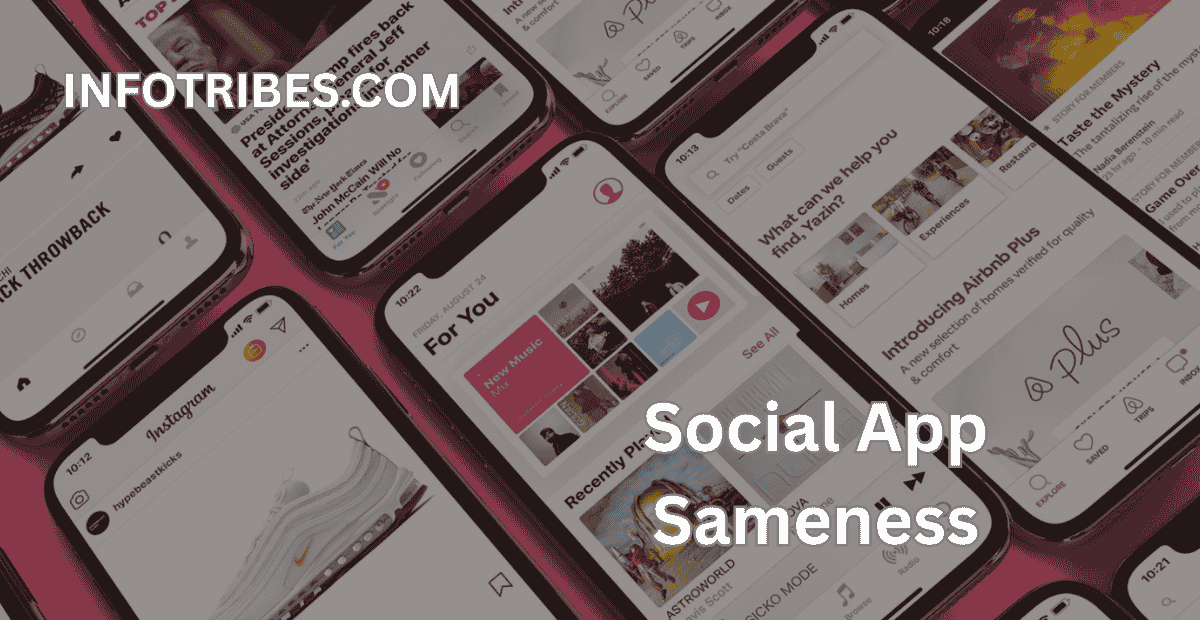
Open almost any major social media app today and the experience feels instantly familiar. A vertical feed. Full-screen videos. Infinite scrolling. Algorithmic recommendations. Short captions. Reaction buttons in the same places. Whether you are on Instagram, TikTok, YouTube Shorts, Facebook, X, or newer platforms trying to break in, the interfaces blur together. This growing uniformity is not accidental. It is the result of years of design convergence, business pressure, and platform survival strategies that have led to what many now describe as social app sameness.
What once felt like a diverse ecosystem of digital spaces has narrowed into a small set of repeated patterns. The reasons behind this shift are deeper than design trends. They reveal how social platforms compete, how they monetize attention, and how risk-averse the modern tech industry has become.
Which Cybersecurity Certifications Are Most Valued by Employers
The Rise of a Single Winning Interface
The foundation of social app sameness lies in imitation. When one platform finds a format that captures user attention at scale, competitors move quickly to replicate it. TikTok’s explosive growth proved that short-form vertical video could dominate user time. Within a few years, nearly every major platform introduced its own version.
This was not about creativity. It was about survival. Platforms that failed to adapt risked losing younger users, advertising revenue, and cultural relevance. Once vertical video became the dominant engagement format, diverging from it felt dangerous. Innovation gave way to imitation, and design diversity became a liability instead of a strength.
Meta’s shift toward short-form video
Algorithms Dictate Design, Not Users
Modern social media is not designed primarily for users. It is designed for algorithms. Interfaces are optimized to feed machine-learning systems that predict what will keep users scrolling longer. This feedback loop drives social app sameness more than any design philosophy.
Algorithms thrive on standardized inputs: similar video lengths, predictable interactions, and consistent engagement signals. As a result, platforms shape user behavior to fit algorithmic needs. The design converges because the underlying systems demand it. Anything that disrupts data collection or engagement metrics is slowly removed or marginalized.
Engagement Metrics Reward Familiarity
Novel interfaces require learning. Learning creates friction. Friction reduces engagement. In a business model built on attention, friction is expensive. This economic reality reinforces social app sameness.
When users already know how to swipe, scroll, like, and share, platforms reduce cognitive load and increase time spent. Familiarity keeps users comfortable, and comfort keeps them scrolling. Even when platforms want to differentiate, the risk of confusing users often outweighs the potential reward.
Advertisers Prefer Predictable Environments
Advertising is the financial backbone of most social platforms. Advertisers value predictability: consistent placement, known formats, reliable metrics. Uniform design makes it easier to sell ads at scale.
The rise of social app sameness aligns perfectly with advertiser demands. A standardized feed means standardized ad formats. It means easier cross-platform campaigns and clearer performance comparisons. Any platform that deviates too much risks losing advertising dollars to competitors with more familiar layouts.
Design Trends Become Platform Requirements
Once certain features become standard, users expect them everywhere. Stories, reels, short videos, reaction emojis, and infinite feeds are no longer optional. They are baseline requirements.
This expectation creates a feedback loop. Users complain when features are missing, even if the platform was originally designed for something else. Over time, platforms adopt these features not because they fit their identity, but because users demand parity. Social app sameness becomes a self-reinforcing norm.
The Decline of Platform Identity
Early social platforms had strong identities. Twitter emphasized text and real-time conversation. Instagram focused on curated photos. Snapchat centered on ephemeral messaging. These identities were clear and distinct.
As competition intensified, those distinctions eroded. Platforms layered new features on top of old ones until their original purpose became secondary. Today, many platforms feel like general-purpose content feeds with minor cosmetic differences. The loss of identity is one of the most noticeable consequences of social app sameness.
Risk Aversion in Big Tech
Large technology companies are structurally risk-averse. At scale, even small design changes can affect millions of users and billions in revenue. This makes experimentation expensive and politically difficult within organizations.
Instead of inventing new interaction models, companies copy proven ones. The safer path is to refine what already works. This corporate caution accelerates social app sameness, as innovation is replaced by incremental optimization of familiar patterns.
Data Shows What Works — And What Doesn’t
Platforms rely heavily on A/B testing and analytics. If a new design does not outperform the existing one in engagement metrics, it is quickly discarded. Over time, this process selects for the same solutions across platforms.
What works on one platform often works on another because human attention patterns are similar everywhere. Data-driven decision-making unintentionally drives convergence. The result is social app sameness shaped by metrics rather than imagination.
The Influence of Mobile-First Design
Smartphones impose physical constraints: small screens, touch input, vertical orientation. These constraints naturally limit design diversity. Over time, platforms have converged on layouts that work best within these limits.
Full-screen vertical content minimizes distractions and maximizes immersion. Infinite scrolling reduces decision points. These choices are not arbitrary. They are optimized for mobile behavior, reinforcing social app sameness across apps competing for the same screen space.
Creator Economics Shape Platform Design
Creators are central to modern social platforms. To attract and retain creators, platforms must offer familiar tools, monetization options, and analytics. This leads to feature parity across platforms.
When creators can easily repurpose content across multiple apps, they are more likely to stay active everywhere. Platforms encourage this behavior because it keeps feeds populated. The downside is reduced uniqueness. Social app sameness becomes the price of creator convenience.
The Fear of Missing Cultural Moments
Social platforms compete not just for users, but for cultural relevance. When a trend explodes on one app, others rush to support it. Features are added quickly to avoid being left out of viral moments.
This reactive development strategy reinforces social app sameness. Instead of setting trends, platforms chase them. Over time, everyone ends up offering the same tools to capture the same moments.
Network Effects Limit Experimentation
Social media is governed by network effects. Users stay where other users already are. This makes launching radically different platforms extremely difficult. New entrants often mimic existing designs to reduce adoption friction.
Ironically, this means even challengers contribute to social app sameness. To compete, they must feel familiar. To feel familiar, they must look the same.
Moderation and Policy Constraints
Content moderation requirements also influence design. Standardized feeds and interactions make it easier to monitor, moderate, and enforce policies at scale. Unusual interaction models introduce complexity and risk.
As regulatory pressure increases globally, platforms favor designs that are easier to control. This operational reality quietly supports social app sameness behind the scenes.
The Disappearance of Chronological Feeds
Chronological feeds once differentiated platforms. Today, algorithmic feeds dominate because they increase engagement and ad revenue. This shift is a major driver of social app sameness.
When every platform prioritizes algorithmic discovery, user experience converges. Content feels less personal and more interchangeable, regardless of the app.
User Fatigue and the Paradox of Choice
Ironically, users often complain about how similar apps feel while continuing to use them. Familiarity reduces decision fatigue. Users know what to expect, even if they are bored by it.
This paradox allows social app sameness to persist. Discontent does not always translate into behavior change, especially when alternatives offer little real difference.
Attempts at Differentiation Rarely Last
Some platforms attempt differentiation through design experiments or niche features. Most of these attempts are short-lived. If they do not immediately boost engagement, they are rolled back.
The pressure to show quick results discourages long-term experimentation. Over time, platforms revert to the same proven formulas, deepening social app sameness.
The Cost of Standing Out Is Higher Than Ever
Differentiation now requires not just design innovation, but cultural momentum, creator adoption, and advertiser buy-in. This is expensive and uncertain. Copying competitors is cheaper and safer.
As a result, social app sameness is not a failure of creativity, but a rational outcome of modern platform economics.
What Social App Sameness Means for Users
For users, sameness reduces surprise and discovery. It flattens online culture and makes digital spaces feel interchangeable. Switching apps feels less like entering a new environment and more like changing channels on the same TV.
This homogenization affects how people express themselves, how trends form, and how communities develop. The internet becomes more centralized, less diverse, and more predictable.
What It Means for the Future of Social Platforms
If current trends continue, social media may become increasingly standardized, with differentiation happening primarily at the algorithm level rather than the interface level. Users will see different content, but through the same lens.
The question is whether fatigue will eventually outweigh familiarity. If users begin to crave genuinely different experiences, the cycle of social app sameness may finally be challenged.
Why This Pattern Is Hard to Reverse
Breaking away from sameness requires coordinated risk-taking across design, engineering, marketing, and monetization. Few organizations are willing to make that bet. As long as engagement metrics reward conformity, platforms will continue to look alike.
The forces driving social app sameness are structural, not stylistic. Until the underlying incentives change, the interfaces will remain strikingly similar.
FAQ — Social App Sameness
1. What does “social app sameness” mean?
Social app sameness refers to the growing trend where major social media platforms adopt nearly identical designs, features, and interaction patterns, making them feel interchangeable to users.
2. Why do social media apps copy each other’s features?
Platforms copy features to reduce risk and retain users. When one format proves successful, others adopt it quickly to avoid losing engagement, advertisers, or cultural relevance.
3. Are algorithms responsible for social app sameness?
Yes. Algorithm-driven feeds reward standardized interactions and content formats, which pushes platforms toward similar designs that maximize engagement and data collection.
4. Do users actually prefer similar-looking apps?
While users often complain about sameness, familiarity reduces learning effort and friction. This paradox allows social app sameness to persist despite user fatigue.
5. Can new social media platforms break this pattern?
It is difficult but possible. New platforms must overcome network effects, user expectations, and monetization pressures while offering a genuinely different experience.
Conclusion
The rise of social app sameness is not the result of laziness or lack of creativity. It is the outcome of powerful incentives shaped by algorithms, advertising models, risk aversion, and user behavior. As platforms chase engagement and revenue, design diversity becomes a liability rather than an asset.
While this uniformity makes apps easier to use and monetize, it also flattens online culture and reduces the sense of discovery that once defined social media. Unless incentives shift toward rewarding experimentation and differentiation, most social platforms will continue to look—and feel—the same.